|
© Sunbeam R&R |
© Tofty Design Foxwood Motorcycle R & R Re-commissioning & Restoration of Post-war Sunbeam & Ariel Motorcycles |
© Ariel Motors Ltd |



|
© Sunbeam R&R |
© Tofty Design Foxwood Motorcycle R & R Re-commissioning & Restoration of Post-war Sunbeam & Ariel Motorcycles |
© Ariel Motors Ltd |
|
|
|
Sunbeam – The Bikes |
|
|
|||||||||||||||||||||||||||||||||||||||||||||||||||||||||||||||||||||||||||||||||||||||||||||||||||||||||||||||||||||||||||||||||||||||||||||||||||||||||||||||||||||||||||||||||||||||||||||||||||||||||||||||||||||||||||||||||||||||||||||||||||||||||||||||||||||||||||||||||||||
|
|
About Sunbeams About Ariels Articles S8 Resurrection
|
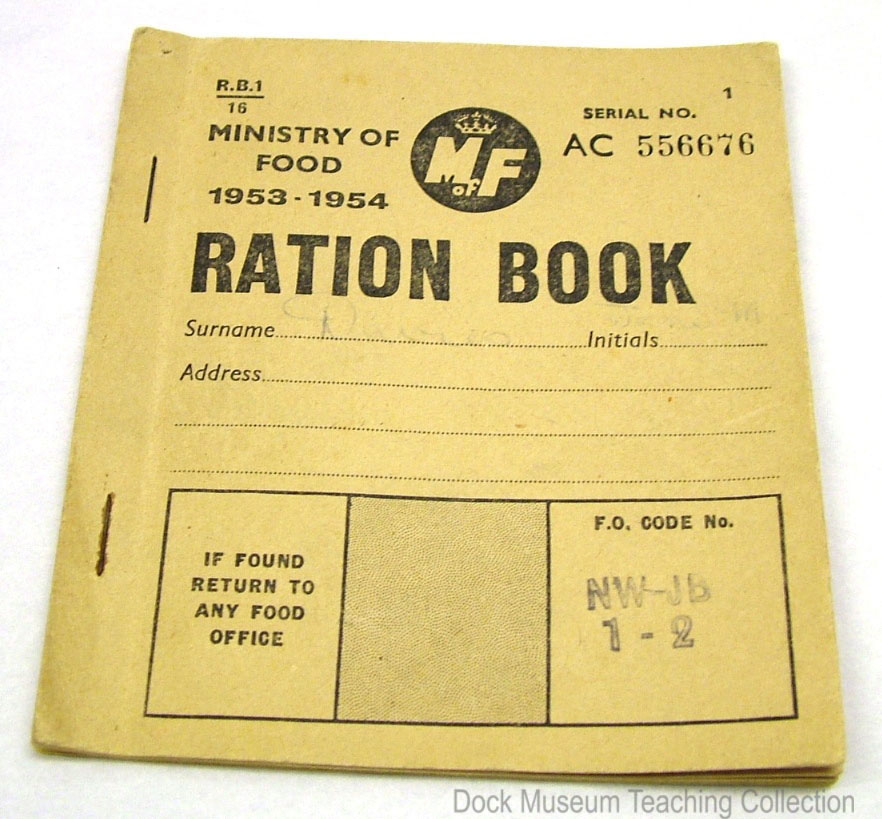
Here is a little background history of the Sunbeam S7 and S8 to establish the context. In 1946, Britain was very close to bankrupt. This resulted from the cost of the war, so soon after the great depression, and facing the cost of rebuilding bombed out cites and industries on the scale of an Empire (with hefty loans from America). Social services and healthcare services were pushed to the limit, a consequence of the often squalid lifestyles and crude sanitation conditions. This was exacerbated by an explosion of new-borns, thousands of refugees, orphans, POWs and injured war veterans, including many with psychological problems or exotic diseases. Victory celebrations and optimism were short lived in the harsh reality of everyday life. Unemployment was high and wages were low because no-one could afford to buy what was made, so industry could not afford to employ. Manufacturers were directed by the government to export as much as they could, just to get foreign money back into Britain. Of the first 2,100 or so early Sunbeam S7s (1946 -1949), fewer than 300 stayed in the UK. Rationing of food, clothing and petrol continued for years after the war until 1954 and so fuel consumption was crucial to the buying public. The grade of petrol readily available was poor and so compression ratios were kept low, to avoid pre-detonation (pinking). The market for motorcycles was flooded with ex-WD and pre-war girder-forked bikes, which were being sold to pay for food and clothing of young and growing families. And then, as soon as the free trade markets began to open, there were many cheap bikes and scooters from other countries that also needed to repay their war debt. These competed with economy cars and 3-wheelers, including those from Bond, Isetta and Reliant. |
|||||||||||||||||||||||||||||||||||||||||||||||||||||||||||||||||||||||||||||||||||||||||||||||||||||||||||||||||||||||||||||||||||||||||||||||||||||||||||||||||||||||||||||||||||||||||||||||||||||||||||||||||||||||||||||||||||||||||||||||||||||||||||||||||||||||||||||||||||||||
|
|
|
||||||||||||||||||||||||||||||||||||||||||||||||||||||||||||||||||||||||||||||||||||||||||||||||||||||||||||||||||||||||||||||||||||||||||||||||||||||||||||||||||||||||||||||||||||||||||||||||||||||||||||||||||||||||||||||||||||||||||||||||||||||||||||||||||||||||||||||||||||||||
|
|
|
Businesses could barely afford to invest in new machines and tooling, nor could they replace worn out equipment or equipment modified to feed the war machine. In spite of this, industry sprouted from every workshop needing to use its machinery to produce something, anything, for the company to survive. It was from these efforts and the dogged determination that post-war optimism sprang. Women had worked to keep their families going, and now 'ordinary' men realised that they could lead others in battle and, therefore, in a small business venture. Many others had new-found mechanical skills derived from war equipment and transport. Cultural change, self reliance and a new expression of freedom was emerging. In the immediate post war years, motorcycle performance was not much of an issue, except that many buyers needed it to pull a sidecar for their families. The Sunbeam 500cc short stroke engine was really not ideal for this, as it lacked torque compared to the BSA, Matchless, AJS, Norton and Panther long stroke singles. On the other end of the scale, companies such as James made nimble little commuter bikes, while the Italians imported their scooters. The small bike (economy commuter) market vied with those powerful enough to pull a chair. But often just getting to work was a challenge, as these machines needed a lot of maintenance to be reliable. The performance side of things was largely focused on track racing and revenue-earning export sales. Triumph had already introduced their 500cc Speed-Twin (1938) which, although only 25bhp, was lightweight and had the more efficient chain drive. It was a good performance bike for commuting or for taking a girlfriend out for the day. It was more fun and youthful than any wartime big single and so, because this is where the export money really was, other makes followed suit. Back on the home market, because of the need to pull ever larger family-sized sidecars, engine capacities began to grow. By the mid-fifties a 650cc twin was not uncommon. However, unlike most, the Sunbeam twins couldn't just wear bigger barrels to obtain more capacity, the complete cast aluminium crankcase would need to be changed. There was not even room in the crankcase for a larger crankshaft to give a longer stroke. In short, to increase engine capacity would require all new tooling and may even require changes to the frame. The early nineteen-fifties saw prevalent enthusiasm for off-road motorcycle competition (very popular with ex-despatch riders) and with it the widespread introduction of swinging-arm rear suspension. Concurrently, the silver screen showed Hollywood icons riding the sporting Triumphs. Lively performance and a youthful image became selling features, which meant that the Sunbeam started to look rather dated. The S8 fitted with a dual seat looked more fashionable, and the silver colour made it stand out as a quality machine, worth the price tag, but younger buyers preferred chromed exhausts and bright youthful colours. Perhaps the Sunbeam was BSA's antidote to their own range of A7 and A10 twins, whose motors offered more flexibility to build a broader product range - from slogging sidecar work-horses, right the way through to off-road machines and racing-side-car outfits. BSA was, at this time, the world's biggest manufacturer of motorcycles. They had racers like the DBD34 Gold Star and the ever faithful workhorses like the A10. They were respectable, conservative and failed to respond to the tastes of a more youthful market. BSA didn't put money into the Sunbeam's development because it had always cost too much for the depressed post-war market economy and because their market demanded more capacity for pulling a sidecar. The new requirement was for something more attractive, such as Triumph twins or Nortons with their sophisticated suspension. In 1947, the Sunbeam S7 was an optimistic ideal but one which never fitted a real need, either in Britain, across the Empire, or in the US. It was an indulgence and was very soon out of fashion. Read more history on page the early s7 |
|||||||||||||||||||||||||||||||||||||||||||||||||||||||||||||||||||||||||||||||||||||||||||||||||||||||||||||||||||||||||||||||||||||||||||||||||||||||||||||||||||||||||||||||||||||||||||||||||||||||||||||||||||||||||||||||||||||||||||||||||||||||||||||||||||||||||||||||||||||||
|
|
|
Sunbeam S7 and S8 Motorcycles In
the context of pre-war and war-time production bikes, which were
mainly oily side-valve singles, the Sunbeam was really very
advanced engineering. Designed by BSA before the war but not
introduced until 1946, the 'S' in-line engine may be likened to
that of a car engine and gearbox layout, complete with
distributor. But very unlike most cars of that era, this
motor features a short-stroke and an OHC (Overhead Camshaft) with
an all-alloy crankcase and barrels, cast together as one. It had
an alloy cylinder head with all-internal oil ways and a
four-speed gearbox, with car-type dry clutch and a shaft drive to
the worm-type rear-wheel drive. |
|||||||||||||||||||||||||||||||||||||||||||||||||||||||||||||||||||||||||||||||||||||||||||||||||||||||||||||||||||||||||||||||||||||||||||||||||||||||||||||||||||||||||||||||||||||||||||||||||||||||||||||||||||||||||||||||||||||||||||||||||||||||||||||||||||||||||||||||||||||||
|
|
|
Sunbeam 500 Spec.sheet :
|
|
||||||||||||||||||||||||||||||||||||||||||||||||||||||||||||||||||||||||||||||||||||||||||||||||||||||||||||||||||||||||||||||||||||||||||||||||||||||||||||||||||||||||||||||||||||||||||||||||||||||||||||||||||||||||||||||||||||||||||||||||||||||||||||||||||||||||||||||||||||||